
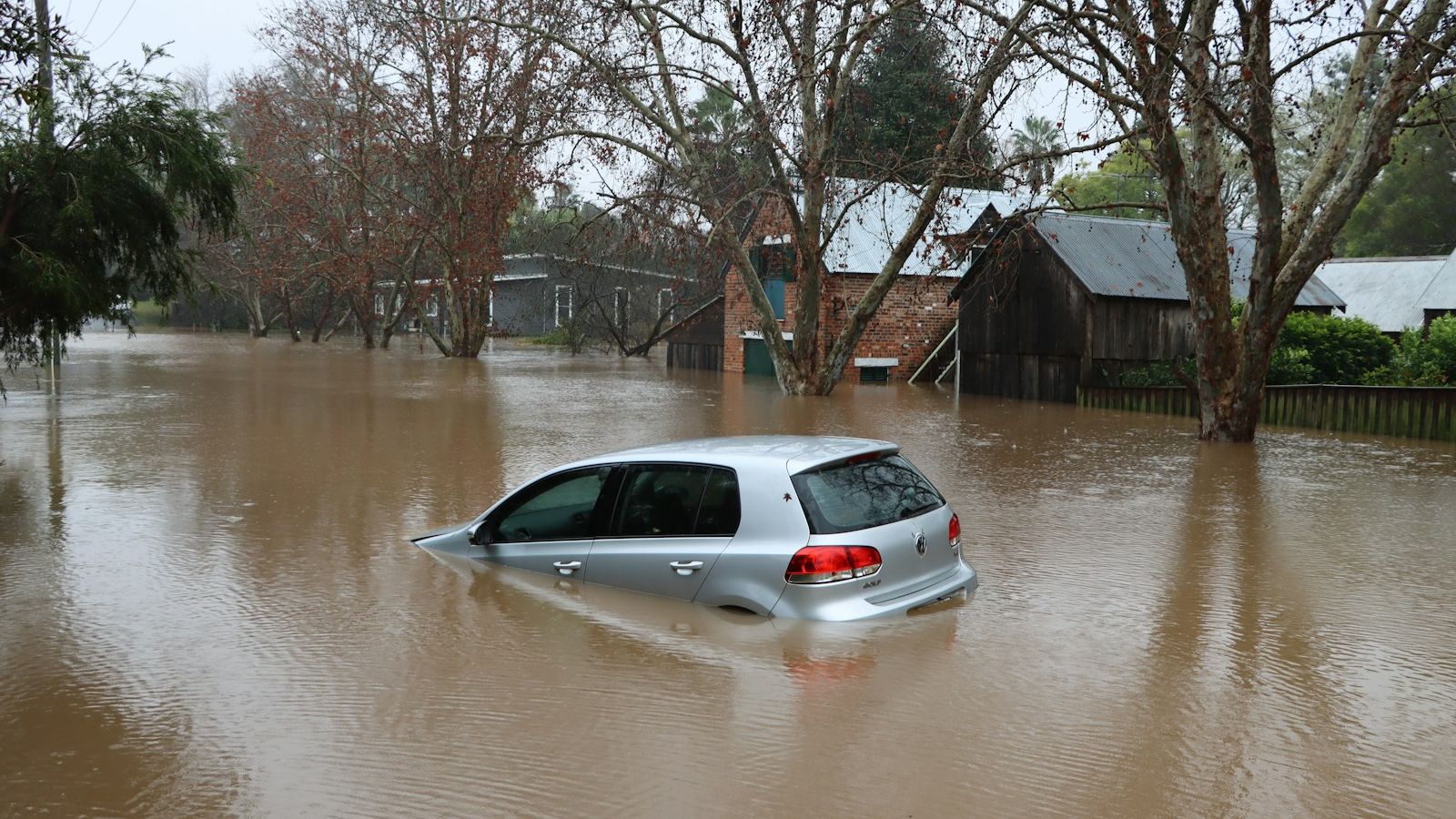
California isn't usually the first state that comes to mind when you think about flood insurance. We're famous for droughts, fires, and earthquakes. Floods feel like a Florida problem.
That perception is exactly why so many California homeowners are uninsured for flood damage when it actually happens. The atmospheric rivers of recent years have caused major flooding in areas that hadn't seen it in decades. And almost all of those homeowners learned, after the fact, that their homeowners insurance doesn't cover flood.
The basic rule: water from above is covered, water from below is not
This is the single most important thing to understand about home insurance and water.
Generally COVERED by standard homeowners
- Roof leaks during a rainstorm
- Burst pipes inside the home
- Water heater failures
- Plumbing leaks
- Wind-driven rain coming through a damaged window
Generally NOT covered by standard homeowners
- Rivers or creeks overflowing their banks
- Storm surge from coastal flooding
- Heavy rain saturating ground and seeping into the home
- Mudslides and debris flows triggered by rain
- Sewer backup (sometimes available as a separate endorsement)
- Sump pump failure (sometimes available as a separate endorsement)
If water enters your home from outside, at ground level or from below, you're almost certainly looking at flood damage. And almost certainly not covered by your standard policy.
How flood insurance works in the U.S.
The National Flood Insurance Program (NFIP)
Most flood insurance in the U.S. comes through the NFIP, a federal program administered by FEMA. The NFIP is the primary path for residential flood coverage in flood-prone areas.
Standard NFIP coverage limits:
- Building coverage: up to $250,000 for residential
- Contents coverage: up to $100,000 for residential
- Required for federally backed mortgages in designated high-risk flood zones
Private flood insurance
In recent years, private insurers have started offering flood policies as alternatives to NFIP. Private flood often has higher coverage limits and broader features (additional living expenses, replacement cost on contents, etc.) but isn't available everywhere.
In California, both options exist. An independent agent can quote both and tell you which makes sense for your home.
FEMA flood zones in California
FEMA classifies properties into flood zones based on flood risk. Common designations:
High-risk zones (A and V)
Zones starting with A or V are considered high-risk. There's at least a 1% chance of flooding in any given year (sometimes called the '100-year floodplain,' though that name is misleading).
If you have a federally backed mortgage in an A or V zone, your lender requires flood insurance. Many California coastal communities and homes near rivers are in these zones.
Moderate to low-risk zones (B, C, X)
Lower probability of flooding (less than 1% per year). Flood insurance is optional but available, often at lower premiums.
California has surprised a lot of homeowners by flooding properties in moderate-risk zones during atmospheric river events. 'Low risk' doesn't mean 'no risk.'
California-specific flood risks most homeowners overlook
Atmospheric rivers
California's recent winter storms have demonstrated that even areas not historically prone to flooding can flood when atmospheric rivers stall over them. The 2022 to 2023 winter caused major flooding in central and northern California, including in zones FEMA classified as low-risk.
Post-wildfire flooding
After major wildfires, the burned ground loses its ability to absorb water. The next big rain often causes flooding in areas that had never flooded before. If you live downhill or downstream from a recent burn area, your flood risk has likely increased.
Mudslides and debris flows
Standard homeowners policies typically exclude mudslides and earth movement. Some flood policies cover mudflows (water-driven mud) but not landslides (mud and earth moving together).
Coastal flooding and storm surge
California's coastline has flood risk that homeowners often underestimate. Coastal areas are vulnerable to storm surge, king tides, and tsunami events.
How much does flood insurance cost in California?
Premium depends heavily on your flood zone, your home's elevation, the type of construction, and your coverage limits.
Typical ranges
- Low-risk zones (X, B, C): $400 to $700 per year
- Moderate-risk zones: $700 to $2,000 per year
- High-risk zones (A and V): $1,500 to $5,000+ per year
Coastal vs inland
Coastal homes near the ocean often pay significantly more, especially for V zones with wave action exposure.
Coverage details that matter
What 'building coverage' covers
- The structure of your home
- Foundation, walls, electrical, plumbing
- Appliances permanently attached to the home (HVAC, water heater)
- Built-in cabinets and bookcases
What 'contents coverage' covers
- Furniture
- Clothing
- Electronics
- Personal items
- Some appliances (washer, dryer, freezer if not built in)
What flood insurance does NOT cover
- Land outside your home (yard, landscaping)
- Vehicles (covered by your auto policy's comprehensive coverage)
- Money, securities, important papers (limited coverage)
- Most basement contents (with strict NFIP limitations)
- Loss of use / temporary housing (NFIP doesn't cover, but private flood often does)
The 30-day waiting period
Most NFIP policies have a 30-day waiting period before coverage takes effect. This is to prevent people from buying flood insurance the day a storm is forecast.
Translation: you can't wait until the news shows incoming weather to buy flood coverage. If you wait, you're not covered for the next storm.
Exceptions: lender-required policies attached to a new mortgage, and some private flood policies have shorter waiting periods. But the general rule is plan ahead.
Who should consider flood insurance in California?
Almost certainly should have it
- Homes in FEMA Zone A or V
- Homes near rivers, creeks, lakes, or ocean
- Homes downhill from recent wildfire burn areas
- Homes in low-lying areas that have flooded historically
Should seriously consider it
- Homes in moderate-risk zones (especially after recent atmospheric river events)
- Homes with flat or downsloping yards that drain toward the foundation
- Homes built before modern drainage standards
- Anyone who couldn't comfortably absorb a $50,000 flood-related repair bill
Probably don't need it
- Homes far from any water source, on hills with good drainage, never flooded historically
- Manufactured homes with significant elevation, away from any flood-prone areas
That said, NFIP premiums in low-risk zones are often only $400 to $700 a year. For most California homeowners, even those in 'low-risk' zones, the math leans toward coverage.
How to get flood insurance
- Check your flood zone at FEMA's flood map service center (msc.fema.gov).
- Get an NFIP quote from your homeowners insurance agent. Most carriers can write NFIP policies.
- Get a private flood quote too if you want to compare. An independent agent can do both.
- Pick the coverage limits that actually reflect your home's value and contents.
- Don't wait. Remember the 30-day NFIP waiting period.
Bottom line
California homeowners have been conditioned to think of floods as someone else's problem. The last few years have proven otherwise. And unlike earthquake or wildfire, flood insurance is relatively cheap in most California zones.
If you don't know what your flood zone is, what your home would cost to repair after a flood, or whether your current setup includes flood coverage, that's worth a 15-minute call. We help California homeowners figure this out all the time. No obligation.
Written by
ACIAI Team
Licensed California Insurance Agents
The ACIAI editorial team — a group of licensed California agents helping families navigate auto, home, life, and business insurance across the Central Coast.