
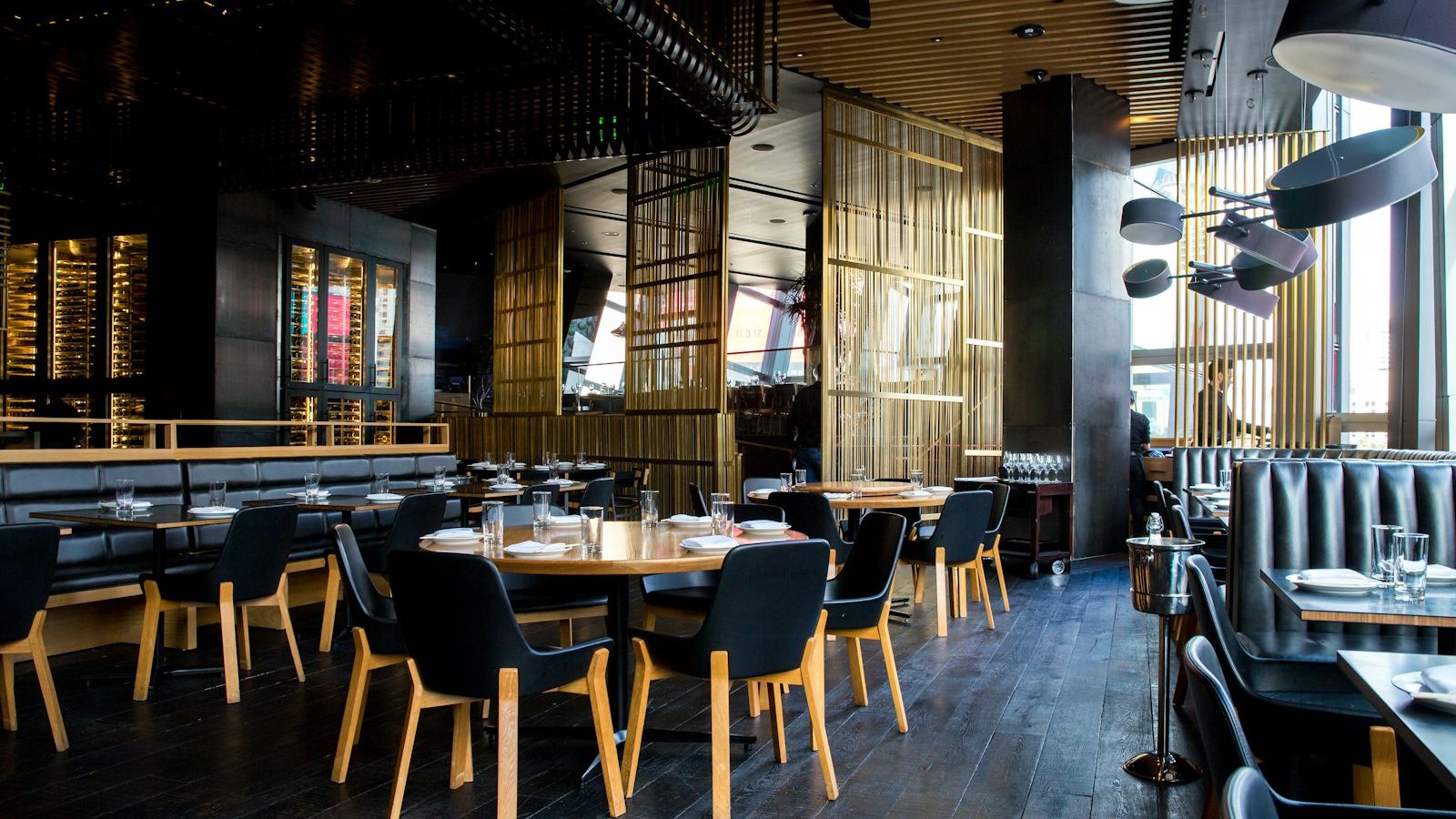
Running a restaurant in California means managing more risk than almost any other small business. Slip-and-falls, food-borne illness claims, kitchen fires, employee injuries, equipment breakdowns, liquor liability. Each one can take down a restaurant if the coverage isn't right.
Standard small-business insurance won't cover all of it. Here's what restaurant owners actually need, and how to make sure you have it before something goes wrong.
The five core coverages every restaurant needs
1. General liability
Covers third-party bodily injury and property damage on your premises. Customer slips on a wet floor, kid burns themselves on a hot dish, someone trips on a torn carpet. This is the foundation. Most lease agreements require it.
Typical California restaurant minimum: $1 million per occurrence, $2 million aggregate.
2. Commercial property insurance
Covers the physical building (if you own it), tenant improvements (if you don't), and your business contents. Kitchen equipment, dining furniture, computers, signage, decor.
Restaurants tend to under-insure here. A full kitchen rebuild after a fire can run $250,000 to $500,000+, and tenant improvement coverage often gets overlooked.
3. Workers' compensation
California requires workers' comp for any business with employees. Restaurants have higher injury rates than many industries (cuts, burns, slips, lifting injuries), so premiums tend to be higher than office-based businesses.
Restaurant workers' comp class codes typically run $4 to $8 per $100 of payroll, depending on the type of restaurant.
4. Liquor liability
If you serve alcohol, your standard general liability does not cover claims arising from intoxicated patrons. Liquor liability is a separate coverage that responds to claims like:
- A patron leaves drunk and causes a car accident
- A bar fight ends in injury
- Allegations of over-serving an underage drinker
California's dram shop laws are more limited than some states, but liquor liability claims still happen. Coverage is typically affordable and worth carrying.
5. Business interruption insurance
If your restaurant has to close after a fire, flood, or covered disaster, business interruption pays for lost revenue and continuing expenses (rent, payroll, utilities) during the closure.
Restaurants often run on tight margins. A 90-day closure without business interruption coverage has caused more permanent restaurant closures than the original disaster itself.
Restaurant-specific coverages most owners overlook
Food spoilage / equipment breakdown
If your walk-in cooler fails over a long weekend, your standard property policy may cover the equipment but not the spoiled food inside. A separate equipment breakdown or food spoilage endorsement can cover thousands in lost inventory.
Foodborne illness / contamination
If a customer sues claiming food poisoning, your general liability typically responds, but the legal defense and reputation rebuild can be expensive. Some restaurants add product contamination coverage that explicitly responds to foodborne illness claims and includes brand restoration coverage.
Spoilage during a power outage
Specifically tied to utility-related power outages. Standard policies often exclude this. Endorsements are available for an additional premium and pay for the perishables you lose during outages.
Liquor inventory coverage
If a fire or break-in destroys your liquor inventory, standard property coverage may have limits that don't reflect the actual value. Liquor inventory is often higher than owners realize.
Sign coverage
Your exterior sign is often expensive and exposed to weather, vehicle damage, and vandalism. Standard property limits for signage are typically low. Higher limits or separate sign coverage may be appropriate.
Hired and non-owned auto
If your employees deliver food using their personal vehicles, or you rent vehicles for catering events, hired and non-owned auto coverage protects the business from claims arising from those vehicles.
California-specific risks
Earthquake exclusion
Like all California property insurance, standard policies exclude earthquake damage. Restaurants with significant tenant improvements should at least quote earthquake coverage, especially in higher-risk seismic zones.
Wildfire and smoke damage
Restaurants in or near fire zones have specific exposure. Smoke damage is more commonly covered than the fire itself, but limits and deductibles can be high. Worth confirming.
ADA compliance lawsuits
California has high rates of ADA-related lawsuits against restaurants. While general liability doesn't typically cover ADA claims, some carriers offer ADA defense coverage specifically for these claims, which can run $30,000+ in legal fees even when settled out of court.
Common restaurant insurance mistakes
Underinsuring tenant improvements
If you've built out your restaurant from a shell space, you may have $200,000+ of tenant improvements that wouldn't be there if you didn't put them there. Many restaurants have tenant improvement coverage at a tiny fraction of actual rebuild cost.
No coverage for owner-operator income
Business interruption usually covers payroll for employees but may exclude or limit the owner's draw. If you're operator-dependent and you're the one bringing in revenue, this gap matters.
Skipping liquor liability
California's dram shop liability is limited but not zero. And a single liquor-related lawsuit can cost more than years of premium.
Standard limits in a high-volume location
A $1 million general liability limit is fine for many restaurants but inadequate for high-volume or high-traffic locations. A serious slip-and-fall case in San Francisco or LA can exceed $1 million in damages and defense costs.
How to get the right coverage
- Start with a real conversation about your specific restaurant. Type of cuisine, alcohol service, square footage, employee count, location, customer volume, special events.
- Get a property valuation that reflects current rebuild costs, not what you paid two years ago.
- Ask explicitly about each restaurant-specific coverage above. Don't assume they're included.
- Compare two or three quotes. Restaurant insurance pricing varies more than most lines of business.
- Plan an annual review. Your coverage should grow with your business.
Bottom line
Restaurant insurance is one of the most complex small-business insurance categories in California. Standard policies miss too many restaurant-specific risks. The cost of getting it right is small compared to the cost of one uncovered claim.
If you run a restaurant in California and haven't had a comprehensive review of your coverage in the last year, we do this for restaurants regularly and routinely find gaps that would cost owners 10x to 100x what closing them costs. No obligation.
Written by
ACIAI Team
Licensed California Insurance Agents
The ACIAI editorial team — a group of licensed California agents helping families navigate auto, home, life, and business insurance across the Central Coast.